Earth retention systems are engineered structures that support soil laterally so that it can be maintained at different levels on either side — typically to prevent soil collapse or movement during or after excavation, known as support of excavation (SOE).
They are used whenever vertical or near-vertical cuts are made in soil — for basements, retaining walls, bridge abutments, tunnels, or deep foundation pits.
Systems such as soldier pile walls, sheet piles, secant or diaphragm walls and soil nailing are selected based on depth, soil conditions, groundwater, and project type. In drilling and piling projects, they work hand-in-hand with anchors, jet grouting, and deep foundations to provide safety, stability, and durability.
Services We Provide :
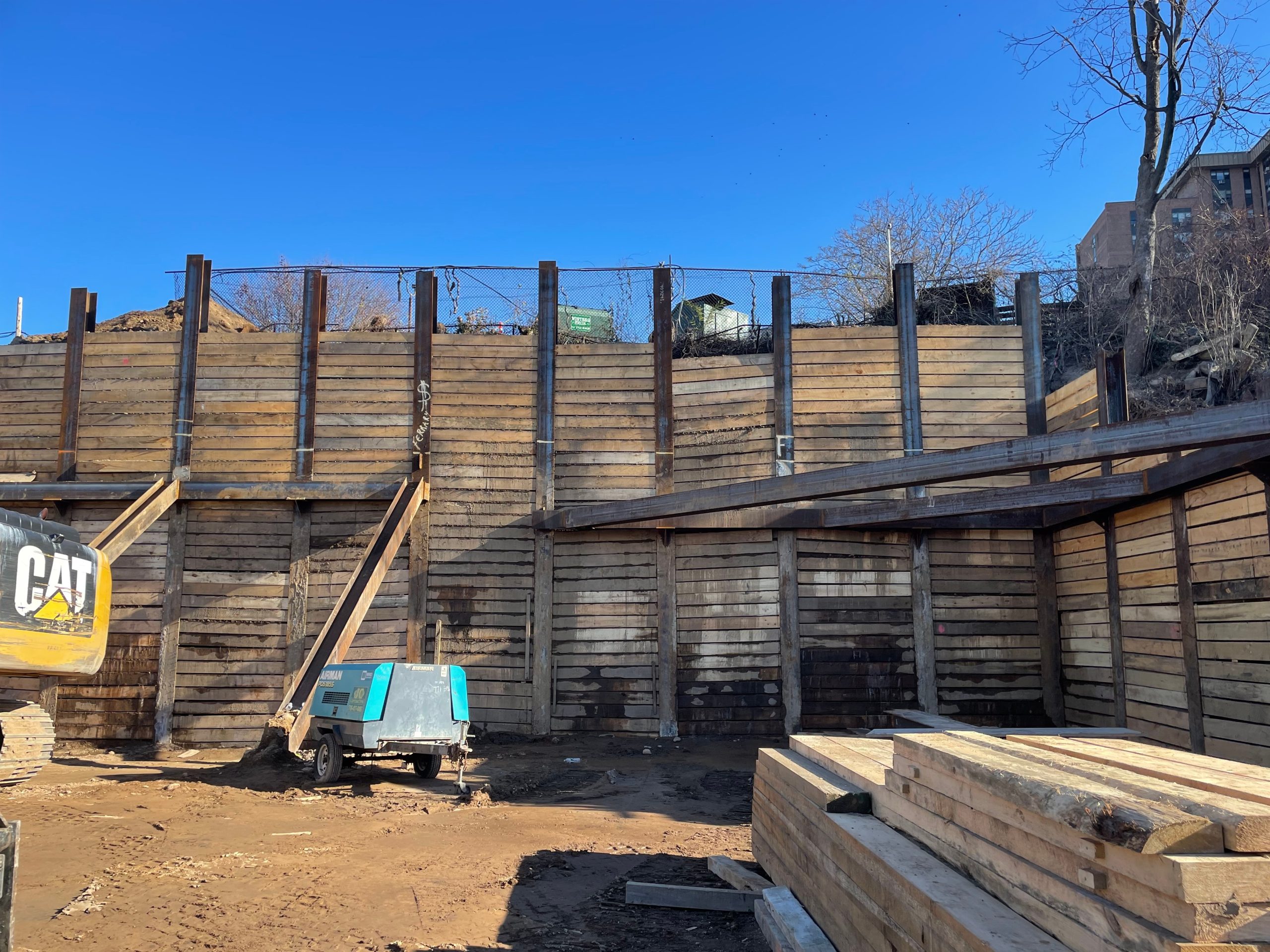
1 . Soldier Pile and Lagging Wall
Construction: Steel H-piles (soldier piles) drilled or driven at regular spacing; wood, steel, or concrete lagging placed between them as excavation proceeds.
Support: Can be cantilevered (shallow) or anchored/braced (deep).
Applications: Urban excavations, basements, shoring near property lines.
2. Sheet Pile Wall
Construction: Interlocking steel sheets driven vertically to form a continuous wall.
Advantages: Quick installation, reusable, effective in water-bearing soils.
Limitations: Limited stiffness; not ideal for very deep excavations in stiff clays.
Used For: Marine structures, cofferdams, temporary excavations.
3 . Secant Pile and Tangent Pile Walls
Construction: Drilled concrete piles overlap (secant) or touch (tangent) to form a continuous wall.
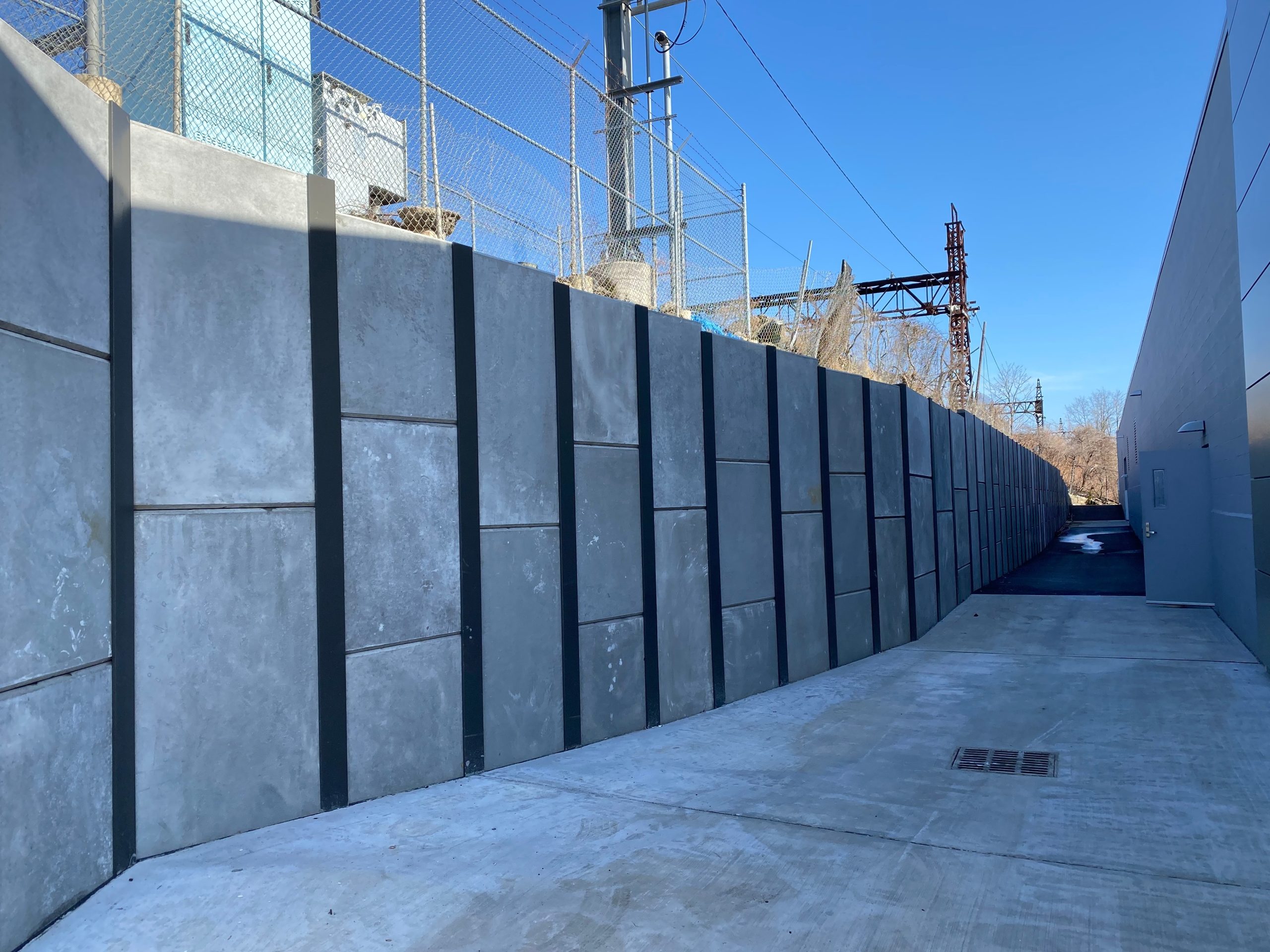
Advantages: High stiffness, good water cutoff, can be used as permanent walls.
Used For: Deep basements, shafts, or near existing buildings.
4 . Diaphragm Wall (Slurry Wall)
Construction: Excavated trench stabilized with slurry, filled with reinforced concrete panels.
Advantages: Very stiff, watertight, suitable for very deep excavations (20–60 m).
Applications: High-rise basements, metro stations, tunnels.
5 . Soil Nail Wall
Construction: Drilled holes reinforced with steel bars (“nails”) and grouted; shotcrete facing applied as excavation proceeds.
Mechanism: Passive resistance from nails stabilizes retained soil mass.
Advantages: Flexible, quick, cost-effective for steep cuts or slopes.
Used For: Cut slopes, roadways, or retaining walls where space is limited.
6 . Anchored or Braced Systems
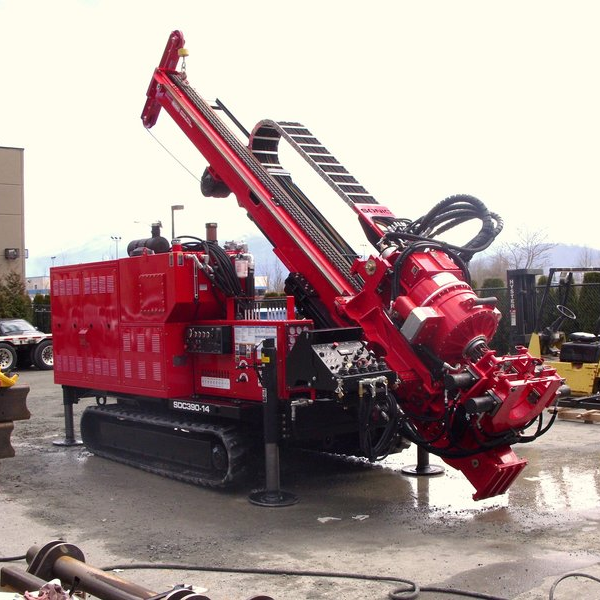
Tieback Anchors: Steel tendons drilled into soil or rock and prestressed to hold wall in place.
Internal Bracing: Steel struts or rakers resist lateral pressure within the excavation.